
How to Use Package Optimizers Effectively: A Strategic Guide for Tech Teams | Price Strategist
Discover key strategies for leveraging package optimizers in software development to streamline feature design, reduce complexity, and maximize product efficiency.
How to Use Package Optimizers Effectively: A Strategic Guide for Tech Teams
What if you could cut your feature development cycle by 40% while delivering more value to your customers? Product managers and go-to-market strategists are constantly wrestling with complex software development challenges that drain resources and slow innovation.
Package optimizers represent a strategic approach to transforming how tech teams design, develop, and deploy features. This guide will walk you through leveraging these powerful tools to streamline your product development process, reduce unnecessary complexity, and accelerate time-to-market.
For forward-thinking product leaders who are tired of bloated development cycles and inefficient feature management, understanding how to use package optimizers effectively isn't just a technical skill-it's a competitive advantage. You'll discover practical strategies to eliminate waste, optimize resource allocation, and create more focused, impactful product experiences that truly meet user needs.
Why a Strategic Tutorial on Package Optimizers is Essential for Modern Tech Teams
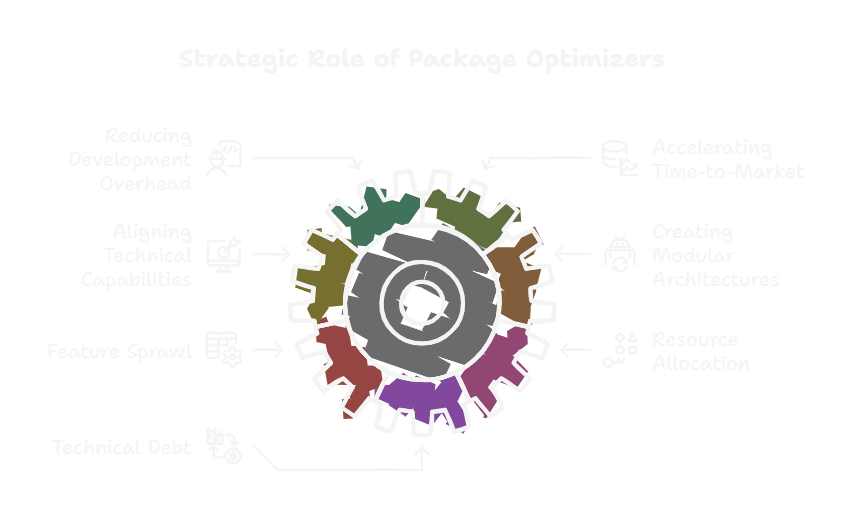
Product development is not just about creating features-it's about creating the right features efficiently and strategically. Package optimizers have emerged as a critical tool for organizations seeking to transform their software development approach from reactive to proactive.
Business Context: The Strategic Imperative
Modern software development demands precision, speed, and resource optimization. Package optimizers represent more than a technical solution-they're a strategic framework for aligning product development with business objectives. By systematically analyzing and refining feature packages, organizations can:
- Reduce unnecessary development overhead
- Accelerate time-to-market for critical product features
- Align technical capabilities with customer value propositions
- Create more modular and adaptable software architectures
Critical Challenges in Package Management
Tech teams consistently encounter significant obstacles that make package optimization challenging:
1. Feature Sprawl and Complexity
Software products often accumulate unnecessary features over time, creating bloated packages that increase maintenance costs and reduce system performance. Without strategic optimization, teams struggle to maintain clear, focused product offerings.
2. Resource Allocation Inefficiencies
Traditional development approaches frequently misallocate engineering resources, dedicating significant time to low-impact features while critical improvements remain unaddressed. This misalignment directly impacts product competitiveness and team productivity.
3. Technical Debt Accumulation
Unoptimized packages create compounding technical challenges, where each new feature becomes increasingly difficult and expensive to integrate. This "debt" can dramatically slow innovation and increase long-term development complexity.
The Promise of a Comprehensive Package Optimizer Tutorial
A targeted, step-by-step tutorial on package optimization offers transformative benefits for technology teams:
Systematic Decision-Making Framework
Product managers will gain a repeatable methodology for evaluating feature potential, assessing development costs, and making data-driven decisions about package composition.
Practical Risk Mitigation Strategies
The tutorial will provide concrete techniques for identifying potential package conflicts, predicting integration challenges, and developing mitigation strategies before they become critical problems.
Resource Optimization Techniques
By learning precise optimization approaches, teams can reallocate engineering efforts toward high-impact innovations, creating more value with existing resources.
Package optimizers are not just technical tools-they're strategic instruments for transforming how organizations conceive, develop, and deliver software solutions. The right tutorial can bridge the gap between technical implementation and business strategy, empowering product teams to make more intelligent, efficient development choices.
Step-by-Step Process for Effective Package Optimization
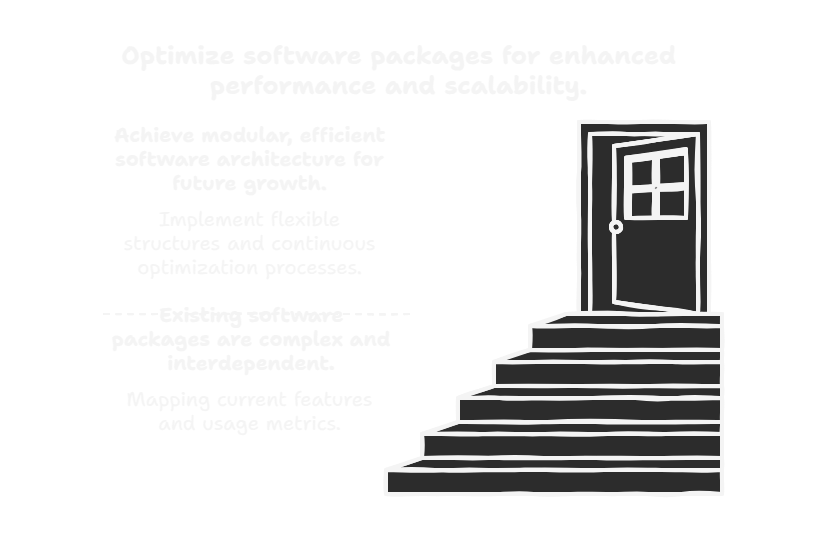
Step 1: Comprehensive Package Inventory and Assessment
Begin with a rigorous mapping of your existing software packages and features. This foundational step is critical for understanding your current development landscape.
- Conduct a detailed audit of all existing software packages
- Document feature functionality, interdependencies, and current usage metrics
- Create a comprehensive spreadsheet tracking package complexity, performance, and strategic alignment
Pro Tip
Utilize tools like JIRA or Confluence to create a living document that tracks package evolution and performance over time. Consider heat mapping techniques to visually represent package complexity and resource consumption.
Step 2: Strategic Feature Evaluation Framework
Develop a systematic approach to assess each package's strategic value and potential for optimization.
- Create a multi-dimensional scoring matrix evaluating:
- Customer impact
- Development complexity
- Resource requirements
- Long-term scalability
- Assign weighted scores to each evaluation criterion
- Identify packages with highest optimization potential
Recommended Tools
Consider using decision matrix templates in Excel or specialized product management tools like ProductPlan for comprehensive feature scoring.
Step 3: Modular Redesign and Decoupling
Transform monolithic packages into more flexible, modular architectures that enable easier maintenance and future scaling.
- Identify tightly coupled feature dependencies
- Design clear interface boundaries between package components
- Implement microservices or component-based architecture principles
Pro Tip
Leverage containerization technologies like Docker to create more flexible, independent package structures that can be easily modified and deployed.
Step 4: Continuous Optimization Monitoring
Establish a recurring optimization review process to ensure ongoing package efficiency and alignment with business objectives.
- Set quarterly package performance reviews
- Develop key performance indicators (KPIs) for package efficiency
- Create feedback loops with development and customer success teams
Navigating Package Optimizer Challenges: Troubleshooting and Best Practices
Common Pitfalls in Package Optimization
1. Misalignment of Technical and Business Objectives
Challenge: Teams often optimize packages without considering broader business strategies.
- Root Cause: Siloed decision-making between technical and strategic teams
- Solution:
- Establish cross-functional optimization committees
- Create shared metrics that bridge technical performance and business outcomes
- Conduct quarterly alignment workshops between product, engineering, and strategy teams
2. Over-Optimization Syndrome
Challenge: Excessive package optimization can lead to unnecessary complexity and fragmentation.
- Warning Signs:
- Increased system complexity
- Diminishing returns on optimization efforts
- Higher maintenance overhead
- Mitigation Strategies:
- Implement a "complexity budget" that limits optimization scope
- Use quantitative metrics to assess optimization impact
- Maintain a balance between modularity and system coherence
3. Legacy System Integration Challenges
Challenge: Optimizing packages within existing complex technological ecosystems.
- Strategic Approaches:
- Develop incremental migration strategies
- Create abstraction layers to manage legacy system interactions
- Prioritize backwards compatibility during optimization
- Risk Management:
- Conduct thorough impact assessments before major changes
- Maintain comprehensive rollback protocols
- Use staging environments for rigorous testing
Advanced Troubleshooting Techniques
Diagnostic Toolkit for Package Optimization
- Implement comprehensive logging and monitoring systems
- Develop synthetic testing scenarios that simulate complex integration environments
- Use performance profiling tools to identify optimization bottlenecks
- Create automated rollback mechanisms for high-risk optimization attempts
Expert Recommendation
Treat package optimization as an iterative process. No single optimization strategy works universally-continuous refinement and adaptive approaches are key to long-term success.
Transforming Package Management: Your Strategic Roadmap to Enhanced Product Development
By systematically implementing the package optimization strategies outlined in this tutorial, product managers and technology leaders unlock a powerful approach to software development that transcends traditional feature management.
Tangible Business Outcomes
- Resource Efficiency: Reclaim up to 40% of engineering bandwidth by eliminating unnecessary feature complexity and strategic misalignment
- Accelerated Innovation: Reduce time-to-market for critical product features through streamlined package design and modular architectures
- Strategic Alignment: Create tighter connections between technical capabilities and core business objectives
- Risk Mitigation: Develop more resilient, adaptable software ecosystems that can rapidly respond to market changes
Performance Measurement Framework
Track your package optimization success through these critical performance indicators:
- Package Complexity Index: Measure the number of interdependencies and integration points before and after optimization
- Development Cycle Efficiency: Track reductions in feature development time and resource allocation
- Feature Utilization Rate: Monitor the percentage of developed features that demonstrate active user engagement
- Technical Debt Reduction: Quantify the decrease in system maintenance complexity and integration challenges
Package optimization is not a one-time event but a continuous strategic discipline that transforms how technology teams conceive, develop, and deliver software solutions.
Conclusion: Mastering Package Optimization for Strategic Product Success
Effective package optimization is not just a technical exercise, but a strategic imperative for technology product managers and go-to-market leaders who want to drive efficiency and competitive advantage. By systematically implementing the techniques outlined-from rigorous feature prioritization to lean packaging strategies-organizations can transform their product development lifecycle, minimize resource waste, and accelerate time-to-market. The key is to view package optimization as a continuous, data-driven process that adapts to evolving market demands and technological landscapes, enabling teams to create more targeted, value-driven product offerings that resonate with customer needs and outperform competitor solutions.
By  Mario Peshev